
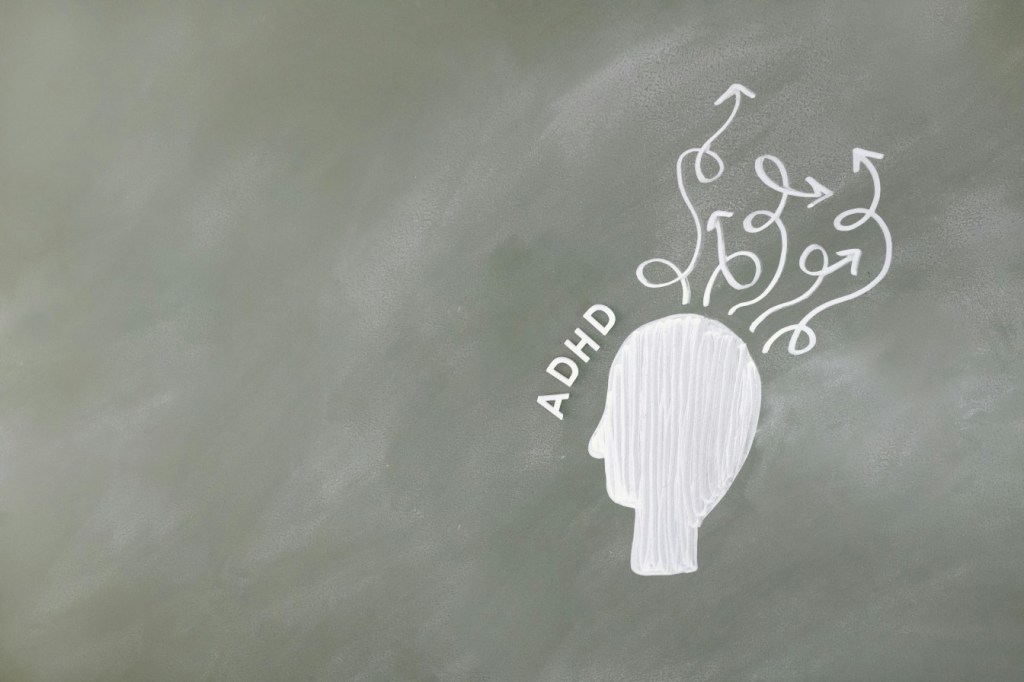
What is ADHD?
ADHD is characterized by symptoms of inattention, hyperactivity, and impulsivity. These symptoms can vary in intensity and may manifest differently in each individual. ADHD is typically categorized into three types:
- Inattentive Type: Primarily characterized by difficulty sustaining attention, following through on tasks, and being easily distracted.
- Hyperactive-Impulsive Type: Marked by hyperactivity, fidgeting, excessive talking, and impulsive actions.
- Combined Type: A mix of inattentive and hyperactive-impulsive symptoms.

The ADHD Brain: Key Differences
Understanding the ADHD brain involves recognizing several key neurological differences:
- Brain Structure and Function: Studies have shown that individuals with ADHD may have differences in the size and activity of certain brain regions, particularly those involved in attention, impulse control, and executive functioning. These areas include the prefrontal cortex, basal ganglia, and cerebellum.
- Neurotransmitter Activity: Dopamine and norepinephrine, neurotransmitters associated with pleasure, reward, and attention, are often imbalanced in the ADHD brain. This imbalance can lead to difficulties in regulating attention and behavior.
- Executive Functioning: Executive functions, which include planning, organizing, time management, and decision-making, are often impaired in individuals with ADHD. This can make everyday tasks and long-term projects particularly challenging.
- Reward System: The ADHD brain’s reward system may be less sensitive to typical rewards and more driven by immediate gratification. This can contribute to impulsive behavior and difficulty with delayed gratification.
Strengths of the ADHD Brain
While ADHD presents challenges, it’s also important to recognize the unique strengths and abilities of individuals with ADHD:
- Creativity and Innovation: Many individuals with ADHD are highly creative and think outside the box. Their ability to see connections that others might miss can lead to innovative solutions and ideas.
- Hyperfocus: When engaged in activities that are highly interesting or stimulating, individuals with ADHD can exhibit hyperfocus, an intense and sustained concentration that can lead to high productivity and mastery in specific areas.
- Resilience and Adaptability: Navigating a world not always designed for their neurodiversity, individuals with ADHD often develop strong problem-solving skills and resilience.
- Enthusiasm and Energy: The hyperactive component of ADHD can translate into a vibrant and energetic approach to life, making these individuals dynamic and engaging.
Supporting Individuals with ADHD

Understanding the ADHD brain is the first step in providing effective support. Here are some strategies to help individuals with ADHD thrive:
- Structured Environment: Creating a structured and predictable environment can help manage symptoms. This includes using calendars, reminders, and organizational tools to keep track of tasks and responsibilities.
- Behavioral Interventions: Techniques such as positive reinforcement, setting clear expectations, and breaking tasks into manageable steps can be beneficial.
- Medication and Therapy: For many, a combination of medication and behavioral therapy can significantly reduce symptoms and improve functioning. It’s important to work with healthcare professionals to find the right treatment plan.
- Accommodations: In educational and workplace settings, accommodations such as extended deadlines, quiet workspaces, and flexibility in how tasks are completed can make a significant difference.
- Encouraging Strengths: Focus on the individual’s strengths and interests. Encouraging pursuits that align with their passions can lead to greater motivation and success.
- Mindfulness and Relaxation Techniques: Practices such as mindfulness, meditation, and regular physical activity can help manage stress and improve attention and emotional regulation.
Conclusion
Understanding the ADHD brain requires a compassionate and informed approach. By recognizing the unique challenges and strengths of individuals with ADHD, we can provide better support and create environments where they can thrive. Embracing neurodiversity enriches our communities and allows us to benefit from the diverse perspectives and talents that individuals with ADHD bring to the table.
Whether you are a parent, teacher, employer, or friend, your understanding and support can make a significant impact on the lives of those with ADHD. Together, we can foster a more inclusive and supportive world for everyone.
 Samantha Redd Counseling
Leave a comment